Managing Tattoo Studio Sharps Waste Safely
March brings warmer weather and a fresh start for many Arizona businesses, and tattoo and piercing studios often see an uptick in appointments as clients plan spring events. More appointments can also mean more regulated waste—especially sharps and blood-contaminated disposables that must be handled carefully. Tattoo and piercing studio sharps and biohazard waste includes items like used needles, needle cartridges, lancets, and other puncture-capable devices, along with materials contaminated with blood or other potentially infectious fluids. Even small studios generate enough of this waste stream to create real safety and compliance responsibilities.
For owners and studio managers, the goal is simple: protect artists and clients, keep the workspace clean, and maintain documentation that supports your medical waste management program. Below is a practical, high-level guide to safer handling and compliant medical waste disposal, plus how Arizona Medical Waste supports studios across the state with reliable pickup, transport, and disposal services.
What this waste stream includes and who generates it
Tattoo and piercing studio sharps and biohazard waste is a focused waste stream created during procedures that puncture the skin. The “sharps” portion includes used needles and needle cartridges, as well as any puncture-capable items that have contacted blood. The biohazard portion typically includes blood-contaminated disposables used during setup, procedure, and cleanup.
Common generators include tattoo studios, piercing studios, permanent makeup providers, and body art training environments. Studios that offer aftercare products or minor touch-ups may also generate smaller quantities routinely. Because the waste is created in client-facing areas, your day-to-day workflow matters: where supplies are opened, where contaminated items are set down, and how quickly they go into the correct container. Consistent segregation is the foundation of safe medical waste disposal and helps prevent errors that disrupt pickup schedules.
Why it is regulated and what compliance usually focuses on
This waste stream is regulated because sharps can puncture skin and may carry bloodborne pathogens if mishandled. Requirements vary by facility type and local oversight, but rules commonly focus on protecting staff, clients, and the public during storage and transport. In practice, that means using appropriate containers, keeping waste secured, and maintaining records that show your materials were handled through a professional medical waste disposal process.
Studios should expect compliance expectations around training, written procedures, and clear labeling so anyone in the workspace can identify what goes where. Regulations may also require that sharps and contaminated disposables are not mixed with regular trash or recycling. A strong medical waste management plan reduces confusion across shifts, supports inspections, and helps you demonstrate a consistent approach to compliant medical waste disposal without slowing down artists during busy days.
Common risks of improper handling in tattoo and piercing studios
Improper handling often starts with “just for a moment” behaviors—setting a used item on a tray, leaving a container open, or allowing overflow near a workstation. The most immediate risk is a sharps injury to an artist, apprentice, or cleaning staff member. Beyond injury, accidental exposure can lead to testing, treatment, time off work, and stressful client communications.
There are also business risks. Mixing regulated waste into municipal trash can create problems with landlords, waste haulers, and local authorities. A visible waste issue in a client area can damage trust quickly, especially for studios built on referrals and online reviews. Finally, inconsistent documentation—missing pickup records, unclear container labeling, or an unreliable service schedule—can create compliance gaps. Safe medical waste disposal is not just about disposal; it’s about protecting your brand and minimizing operational disruption.
Storage and pickup readiness with Arizona Medical Waste
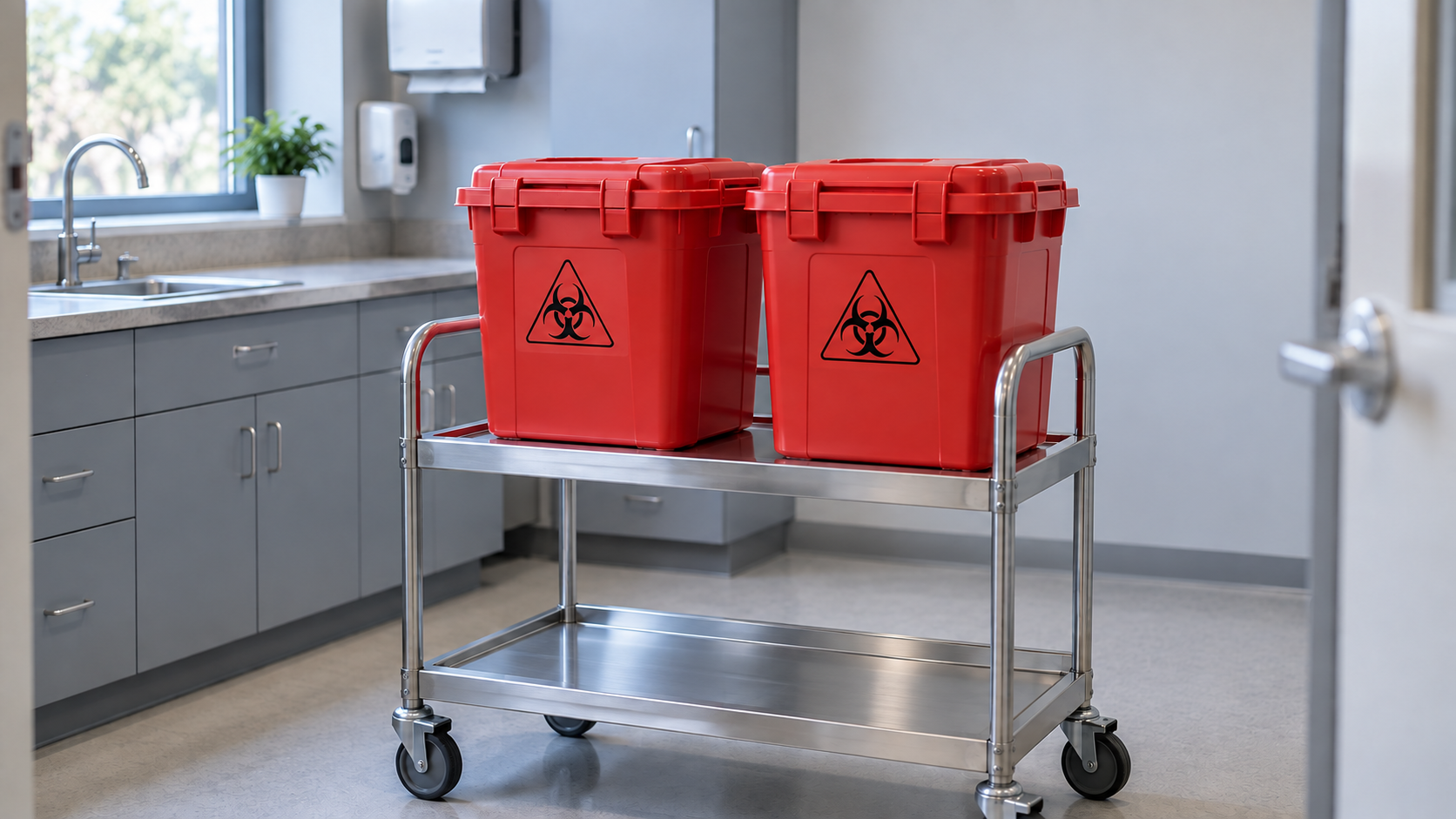
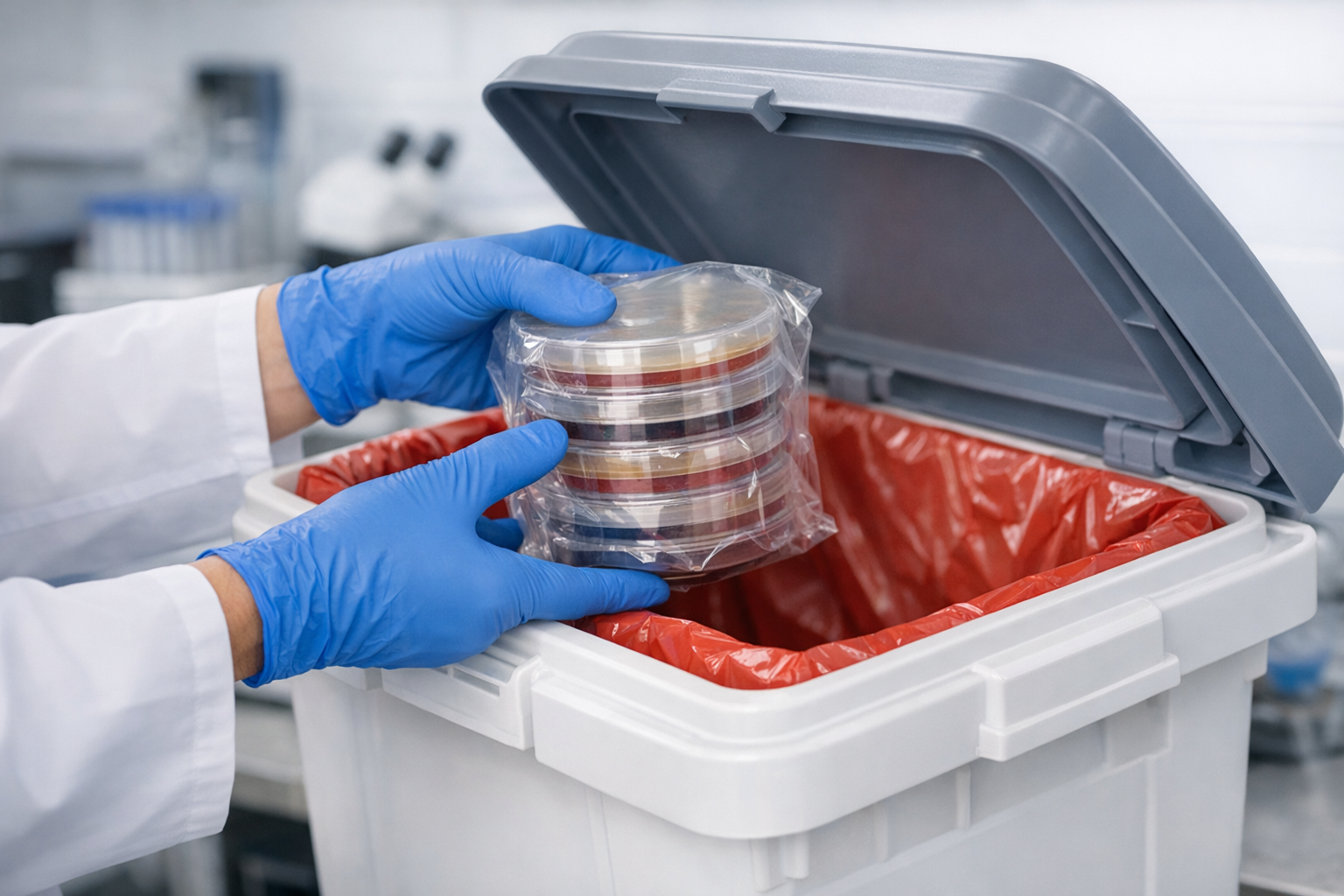
Studios can reduce risk by standardizing how waste is contained and staged for service. Use sharps containers that are puncture-resistant, closable, and placed within easy reach of the procedure area. Keep containers upright, secured, and replaced before they are full to avoid overflow and handling mistakes. For contaminated disposables, use designated, clearly marked containers and keep them separated from regular trash.
- Place sharps containers at point of use and keep lids closed when not adding waste.
- Segregate sharps from other contaminated disposables to reduce confusion.
- Label and secure waste in a designated, access-controlled area.
- Train staff on your studio’s process and refresh it regularly.
- Keep pickup documentation organized for easy retrieval.
Arizona Medical Waste supports medical waste disposal with scheduled pickups, compliant transport, and clear documentation to support compliant medical waste disposal and day-to-day medical waste management.
For help setting up a service plan, visit arizonamedicalwaste.com.
Running a tattoo or piercing studio means balancing artistry with safety, and the right waste partner makes that easier. Arizona Medical Waste provides dependable, studio-friendly service that supports safe medical waste disposal without complicating your workflow. From appropriate containers to consistent pickups and documentation, we help you maintain a clean environment and a professional standard clients can trust.
If you want to tighten up your medical waste management program or schedule reliable pickups for tattoo and piercing studio sharps and biohazard waste, contact Arizona Medical Waste today at arizonamedicalwaste.com or call 602.305.8888.