Keeping Ordinary Trash Out of Medical Waste Containers
A practical review of everyday disposal decisions in your clinic
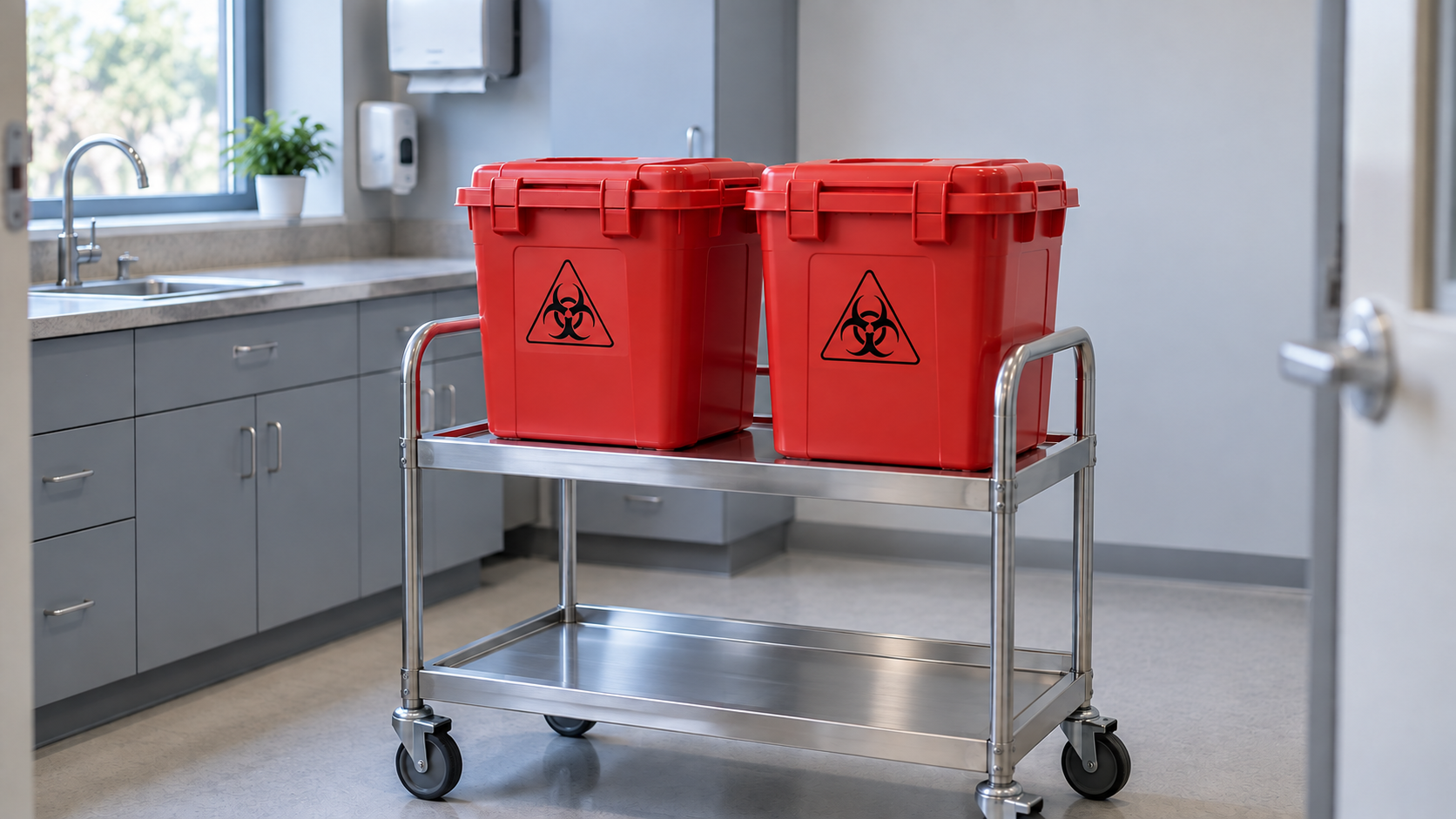
A clean wrapper and a blood-soaked dressing can leave the same treatment room, but they do not automatically belong in the same waste stream. When the red-bag container becomes the easiest place to discard everything, ordinary packaging can fill space intended for regulated waste. The answer is a clear decision at the point of use, supported by your facility's procedures.
For an Arizona clinic, a useful waste review starts before anything reaches a collection bag. Look at what staff discard, where they make that decision and which questions keep coming up. Keep safety and applicable requirements ahead of any effort to reduce waste volume.
Separate the question of location from the question of waste type
An item does not become regulated medical waste simply because it was used in a healthcare building. At the same time, an item that looks ordinary may need special handling because of contamination or another hazard. Staff need a procedure based on the material and its condition, rather than a rule that everything from a particular room goes into one container.
For example, the outer cardboard box opened at a clean supply station presents a different question from material used during a procedure. Review clean, uncontaminated packaging with the person responsible for your waste program and the applicable trash or recycling service. Do not assume all packaging is recyclable or that anything can be diverted once contaminated.
Use an approved guide for common items
Build a short list of items your team actually encounters. For each one, identify the intended waste stream, the correct container and who can answer an uncertain case. Have the guide reviewed against your facility's exposure control plan, Arizona requirements and your service provider's acceptance rules.
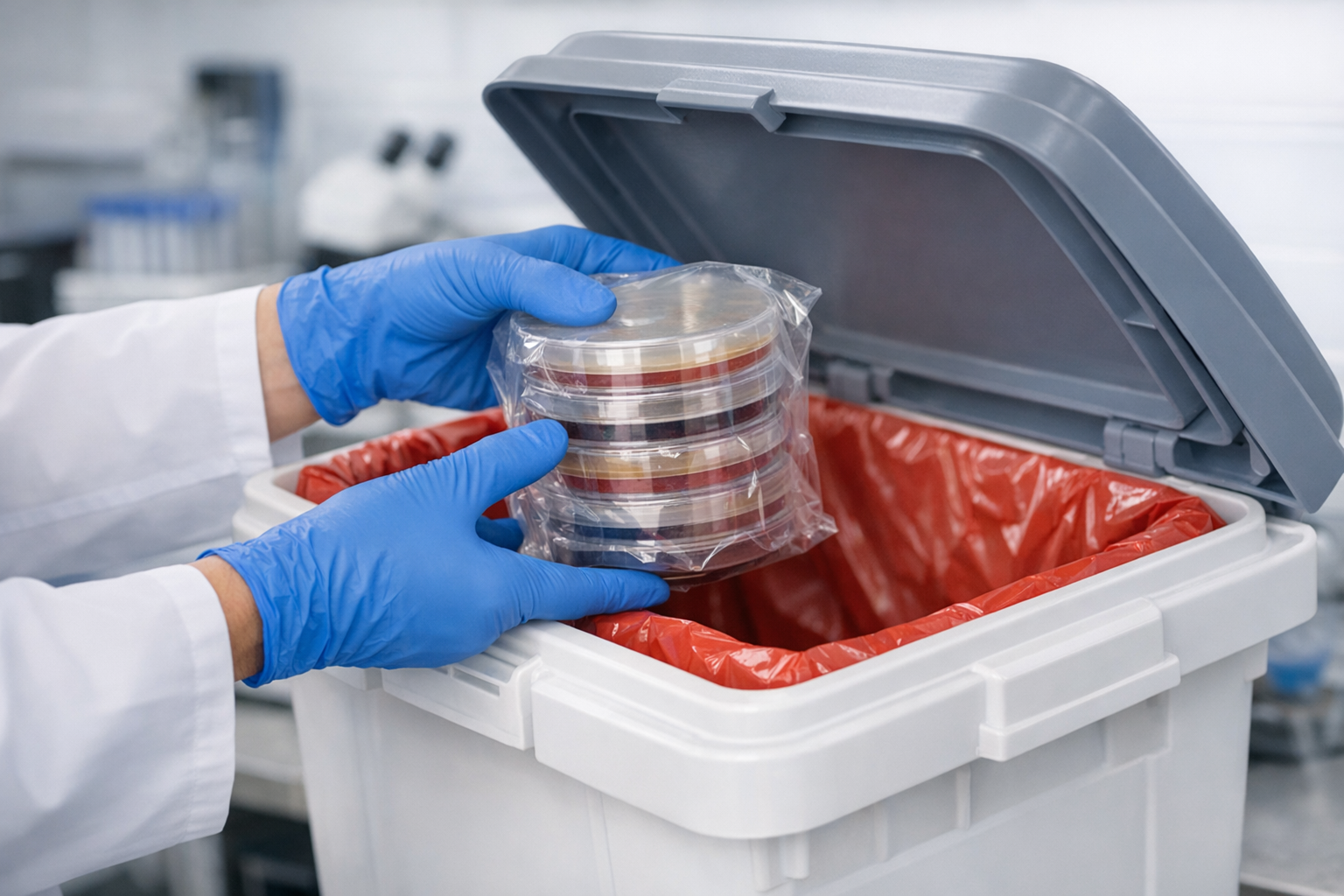
OSHA's bloodborne pathogens standard defines regulated waste by characteristics that include certain blood-containing materials, contaminated sharps and specified pathological and microbiological waste. That workplace standard is one part of the review; it is not a universal disposal chart. Medicines, chemicals and other special materials may need separate arrangements.
Keep the local guide specific enough to help during a busy shift. Avoid a sign that says only “medical items” or “contaminated waste” without explaining the facility's actual process. When a new product or procedure is introduced, review its waste route before adding it to the guide.
Make the right choice practical
Walk through a routine task with the staff who perform it. Notice where clean packaging is removed and where used materials are discarded. Check whether the intended containers are identifiable and available at those decision points. A missing ordinary-trash bin or an unclear label can undermine otherwise useful instructions.
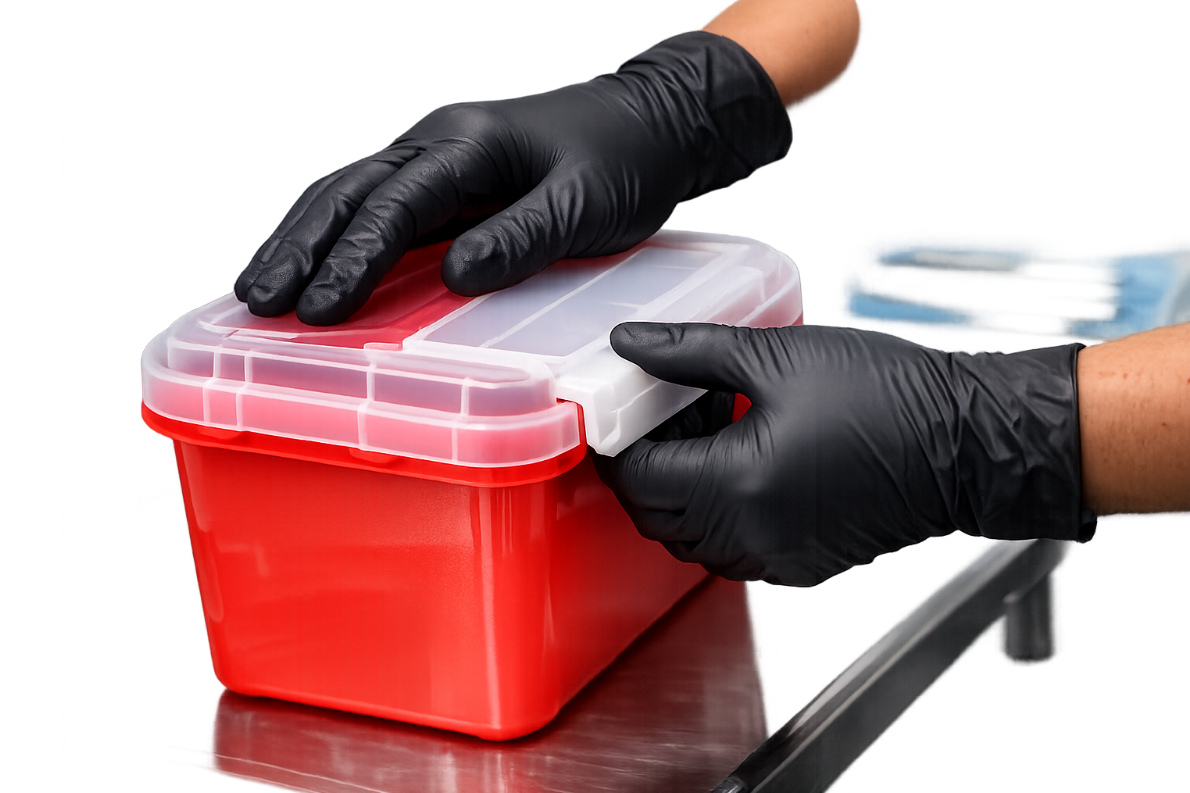
Any container changes must preserve safe access and the controls your facility requires. Keep sharps in their designated sharps containers, rather than treating a red bag as a substitute. Do not relocate safety equipment or change an established handling procedure solely to make a room look tidier.
Review the process without sorting collected waste
Use staff feedback, supply information and safe observations of work practices to find confusing steps. Do not open bags, reach into containers, squeeze used materials to test contamination or ask employees to retrieve items from collected waste. A volume-reduction project must not create an exposure risk.
- Which clean packaging items cause the most questions?
- Are the approved containers easy to identify during the task?
- Do temporary and covering staff know whom to ask?
- Has a new product introduced a waste stream the guide does not cover?
- Are staff being asked to make judgments beyond their training?
If someone reports an item in the wrong stream, follow the facility's procedure and contact the responsible person. Correct the instruction or workflow that led to the error; do not improvise a recovery method.
Agree on a clear route for unanswered questions
Assign a contact who can review unfamiliar materials with your provider and the appropriate facility specialist. Keep the answer with the item guide so the next shift does not have to solve the same question again. Discuss separate service needs before combining unfamiliar materials with your routine medical waste.
Arizona Medical Waste lists medical waste disposal, sharps disposal and other waste services on its website. To discuss your facility's materials and service needs, request a quote or call 602.305.8888. A useful conversation starts with clear descriptions of the materials and your team's unresolved questions.